
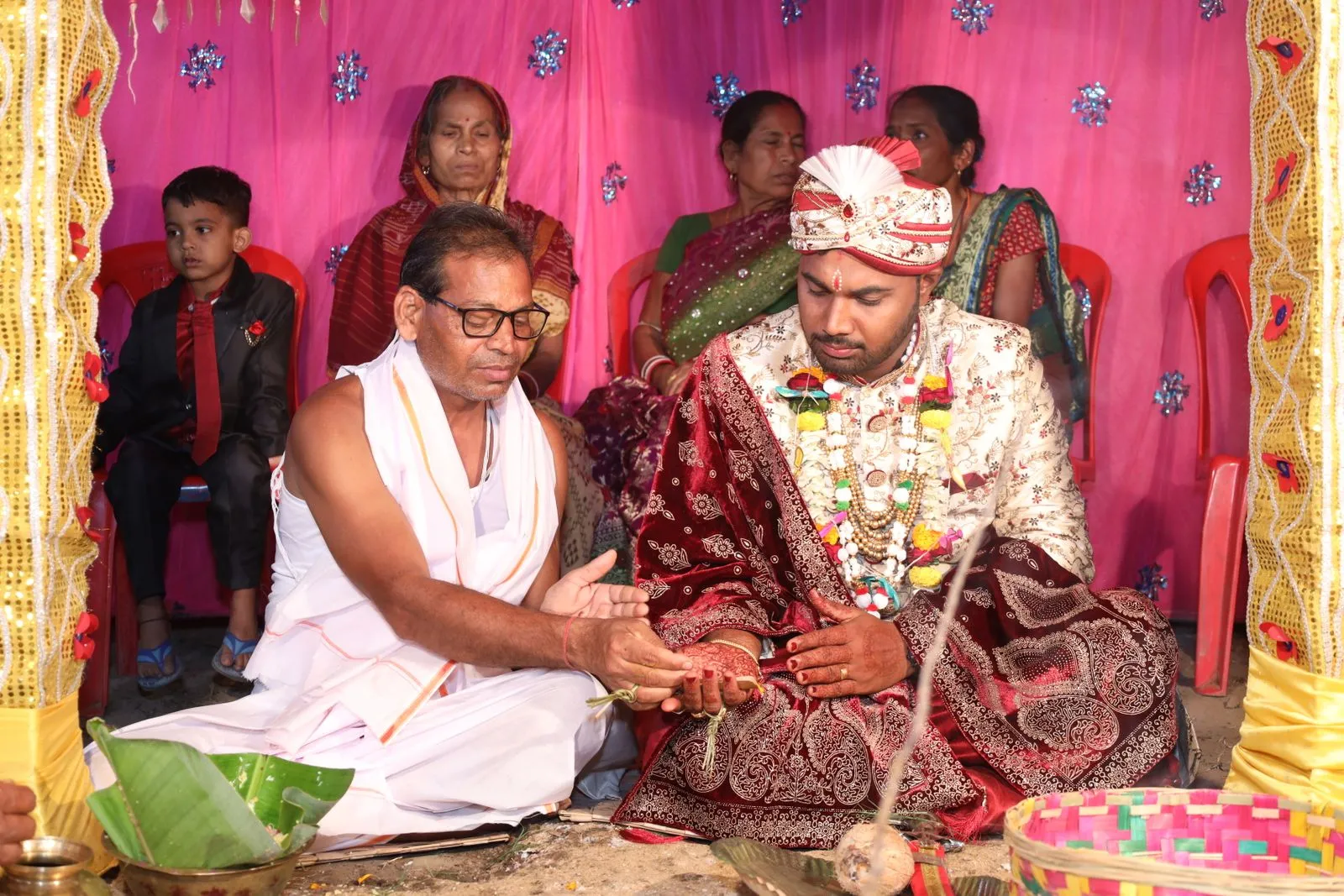
Family portraits can bring together relatives who have traveled far, dressed for the occasion, and gathered across several wedding events. A little planning helps make sure the important combinations are captured without turning the photo session into a long search for people. Start with the closest family, add the combinations that matter most to both partners, and assign someone who knows each side to help gather relatives. Use this checklist as a starting point, then tailor it to your family.
Start with the essential groups
Put the most important portraits first, while key relatives are nearby and everyone has energy. A useful starting list is both partners together; each partner with their parents or guardians; each partner with siblings; and each partner with their immediate family. Include step-parents, guardians, or other people who have filled a parental role where appropriate.
Next, photograph each partner with their grandparents, then both partners with all available grandparents. If a grandparent has limited mobility, bring the group to them rather than asking them to stand or move repeatedly. Confirm preferred names and relationships in advance so the photographer can organize groups respectfully and avoid awkward introductions.
Add key family combinations
Consider combinations that bring both sides together: the couple with both sets of parents; the couple with siblings from both families; and the couple with parents and siblings. If siblings have partners or children, decide whether to include them in one larger immediate-family portrait or in separate groups. Agree on these details before the wedding so no one has to make decisions while a group is waiting.
South Asian families often include close relatives beyond the household. List the couple with each set of aunts and uncles, cousins, or other relatives who play an important role. You might also want a portrait with a family elder, a close family friend, or the relatives who helped with wedding traditions. Prioritize the people who matter most rather than trying to include every possible combination.
Make the list easy to use
Write each group as a short, specific line and include names when possible. For example: “Asha and Dev with Asha’s parents, Meera and Raj,” or “Couple with both sets of siblings.” Note any sensitive family arrangements privately, such as relatives who should not be placed together, and share them with the photographer before the event.
Choose one organized helper from each side of the family who can recognize relatives and call the next group. Share the list with those helpers and the photographer ahead of time. Ask family members to stay nearby until their portraits are complete, and tell them where to meet. This reduces delays caused by searching through a crowded reception or ceremony space.
Plan for comfort and timing
Coordinate the portrait session with the wedding schedule, ceremony customs, travel between venues, and the needs of older relatives and children. Decide whether portraits will happen before or after a ceremony, and identify a shaded or weather-protected backup location if needed. Keep the immediate-family groups at the top of the list in case the schedule changes.
Share practical details with relatives: when to be ready, where to gather, and whether they should remain in formal clothing for portraits. Keep the list flexible for unexpected absences, but avoid adding many new combinations on the day. A clear priority order gives the photographer room to capture meaningful portraits while keeping the gathering manageable.
A thoughtful portrait list balances close relatives, meaningful family connections, and the time available on the wedding day. Review the combinations with both partners, confirm names and family arrangements, and appoint helpers who can gather each group. Rang & Light can help you shape a portrait plan around your celebration and the people who matter most.